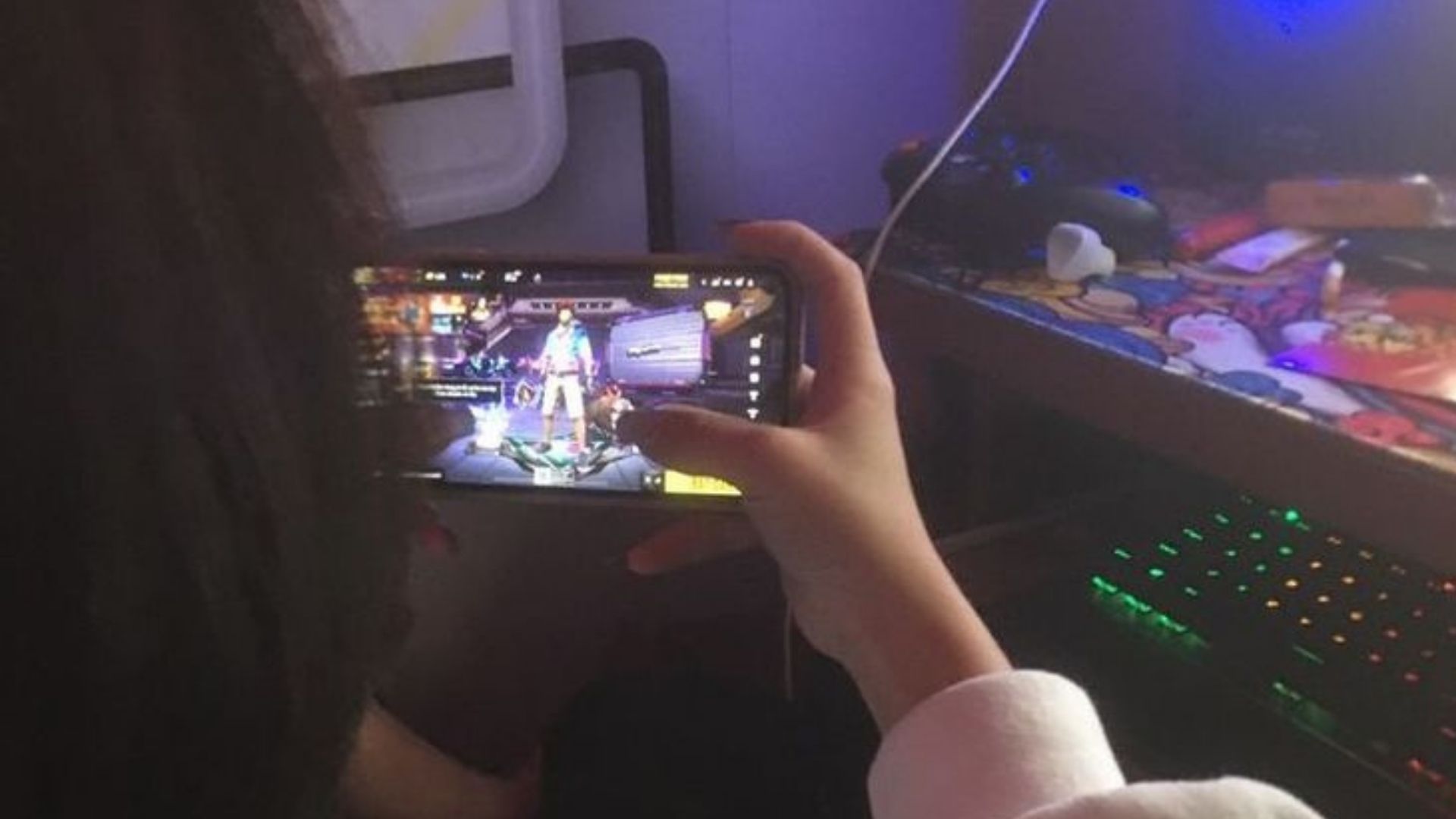
The landscape of modern online entertainment has shifted dramatically, introducing complex cooperative ecosystems that demand high levels of collective problem-solving. Gamers are moving past traditional competitive modes to seek deeper experiences that require strategic coordination and shared milestones. These digital spaces foster strong interpersonal relationships while pushing the boundaries of traditional interactive design.
The Evolution of Cooperative Mechanics
Early multiplayer formats relied heavily on basic combat objectives or simple point-scoring metrics to determine victory. Today, developers design intricate scenarios where participants must synchronize their distinct roles to overcome sophisticated digital hurdles. This tactical progression transforms casual group sessions into highly engaging cognitive tasks that reward adaptability.
By forcing players to rely on each other's specialized skills, these modern environments build genuine trust and mutual reliance. Successful coordination depends on clear communication and real-time environment analysis rather than individual button reflexes. As a result, global communities continue to gravitate toward these mentally stimulating virtual projects.
Dynamic Environments and Live Objectives
One of the most effective strategies developers use to maintain long-term engagement is the implementation of shifting environmental conditions. Virtual maps no longer remain static, instead featuring unexpected structural collapses or weather hazards that disrupt planned strategies. Teams must constantly re-evaluate their positions and adjust their defensive layouts to survive these sudden changes.
To explore modern networks that track diverse gaming trends and digital options, players often check out M88id for regional community updates. Utilizing these specialized platforms connects enthusiasts with advanced tools designed to enhance structured group participation. Staying informed about these evolving digital landscapes helps groups maintain their competitive edge during seasonal events.
Fostering Leadership and Social Synergy
Navigating sophisticated team hurdles naturally encourages specific participants to take on leadership roles within their digital squads. Managing group resources and assigning specialized duties under extreme pressure helps individuals develop practical project management skills. These virtual environments serve as a gentle learning space for building real-world social confidence.
Furthermore, the shared relief of conquering a complex digital milestone helps solidify long-lasting friendships across different geographic regions. The integration of high-fidelity communication features allows international groups to connect seamlessly without traditional technical barriers. This deep social connectivity ensures that cooperative platforms remain vibrant and welcoming for years to come.
The Future of Interactive Group Design
As advanced technology continues to improve global network infrastructure, developers plan to introduce even larger cooperative arenas. Future titles will likely integrate responsive artificial intelligence systems that adapt their difficulty dynamically based on a team's proficiency. This progression guarantees that veteran groups will always face fresh, unpredictable obstacles to master.
Ultimately, the continuous rise of innovative collaborative challenges ensures that digital gaming remains a powerful tool for human interaction. By balancing cognitive flexibility with accessible community features, developers are creating experiences that transcend simple entertainment. The next generation of virtual adventures will undoubtedly focus on bringing people together in increasingly creative ways.